
Focused on Safety
Safety is the most important aspect of your climb.
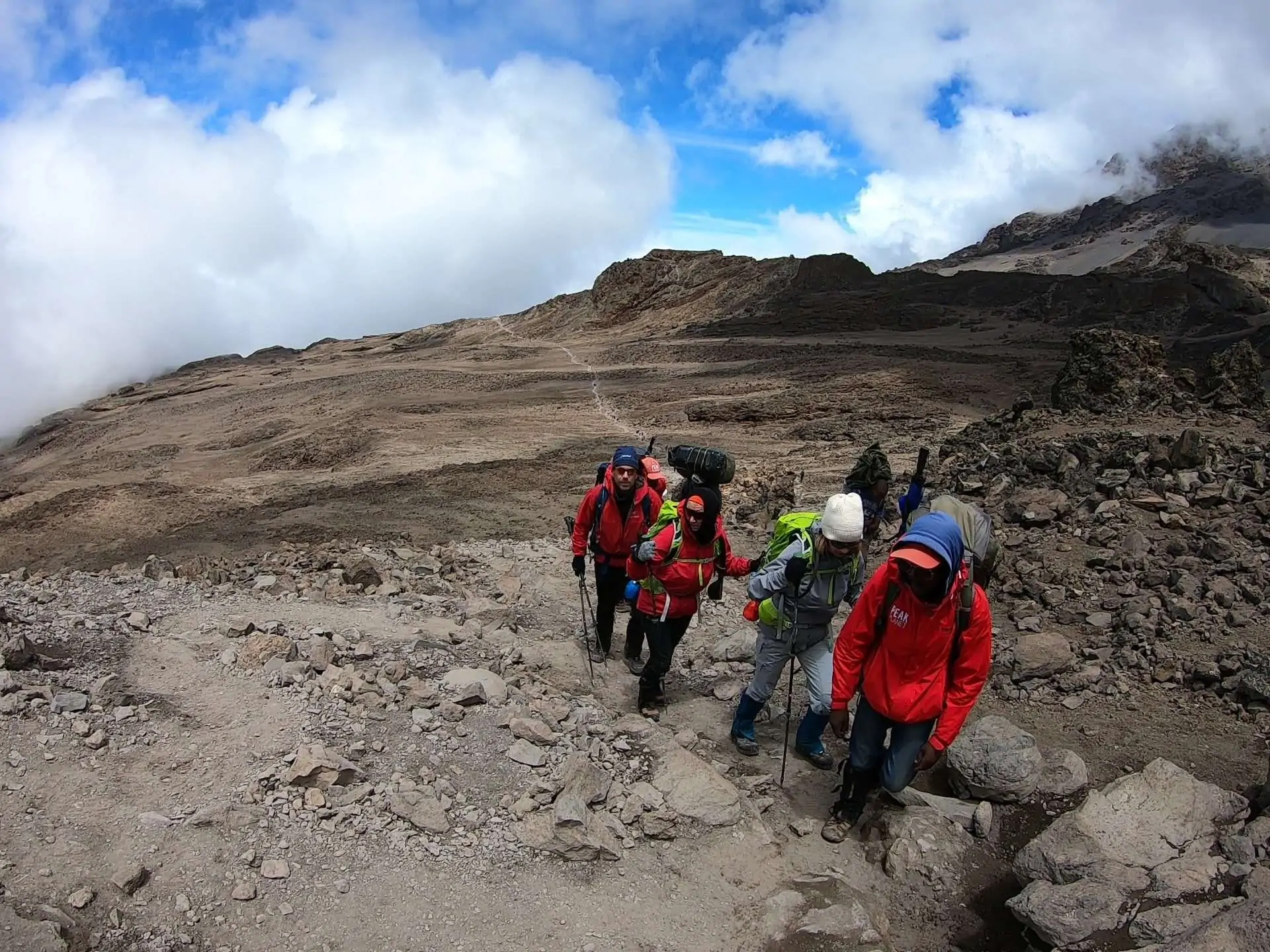
The truth is every single year, climbers die on Mount Kilimanjaro. Due to its extreme altitude, climbing Kilimanjaro can be quite dangerous if one is not properly monitored and treated. Above all, at Peak Planet, we are focused on safety of each and every client. We understand that first and foremost, it is our main responsibility to keep everyone out of harm’s way.
We have many layers of safety built into our operations to minimize the risks on Kilimanjaro. No other climbing company provides such a comprehensive safety program.
- Our guides are certified Wilderness First Responders (WFR)
- Our training and safety program was developed by IFREMMONT, a European-based high altitude medical training organization
- We have established protocols for handling emergencies on the mountain
- We conduct twice daily health checks using a pulse oximeter and stethoscope to measure pulse, temperature, blood pressure and oxygen saturation, to catch any AMS symptoms early
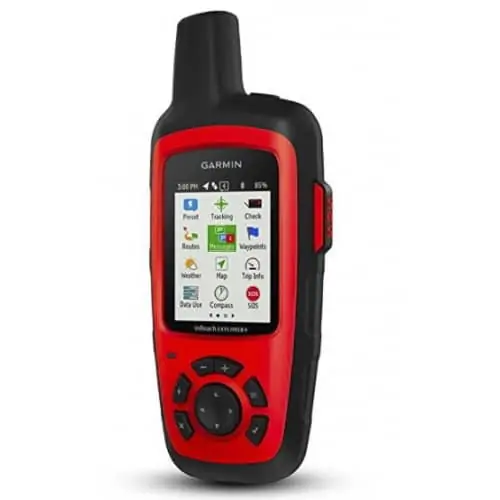
- Our guides are equipped with Garmin inReach Explorer, a satellite communication device, for real time location tracking and communication
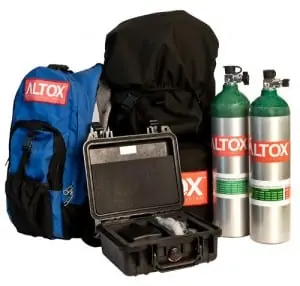
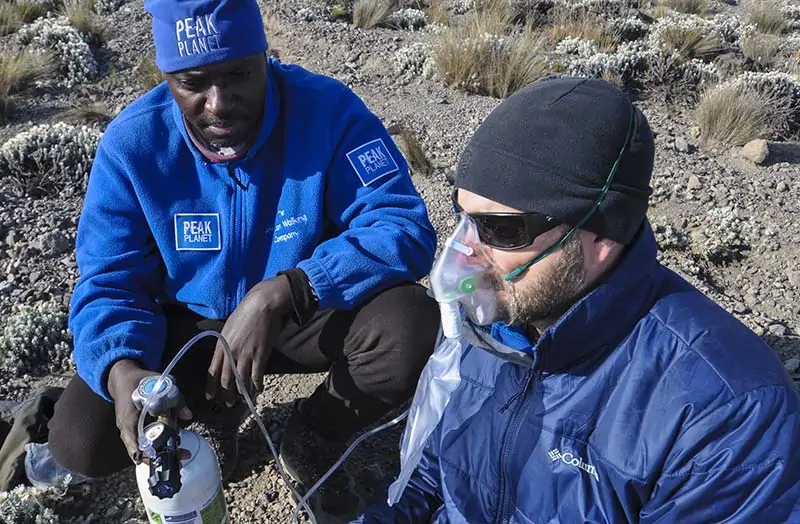
- ALTOX Personal Oxygen Systems, which increases energy levels and makes for a more enjoyable summit, are available for rent
- We carry emergency oxygen on all climbs to combat serious cases of altitude sickness
- We can us portable stretcher to quickly evacuate climbers who are unable to walk on their own
- We carry first aid kits to treat minor injuries such as blisters, cuts and abrasions
- We can initiate helicopter evacuation through AMREF Flying Doctors for severely injured or ill climbers
What is altitude sickness?
Altitude sickness, also known as Acute Mountain Sickness (AMS), is a negative health effect of high altitude caused by the failure of the body to adapt quickly enough to the reduced level of oxygen in the air. Altitude sickness generally develops at elevations higher than 8,000 feet and when the rate of ascent exceeds 1,000 feet per day. The elevation gains on some days during your Kilimanjaro trek fall into this category. Therefore it is likely that you will experience some form of mild altitude sickness on Mount Kilimanjaro.
The most common of altitude sickness are headaches, sleep disturbance, fatigue, shortness of breath and dizziness. These can be considered normal for climbing Kilimanjaro. However, complications can develop on Kilimanjaro, and everyone attempting to climb the mountain must be aware of the risks involved. The symptoms of altitude sickness generally appear within hours of moving to higher altitudes and vary depending on the severity of your condition.
Mild forms of altitude sickness are best treated by rest, maintaining fluid intake, and by a painkiller such as paracetamol. Mild symptoms which have lasted for 24 hours or more can be treated with Diamox which aids acclimatization. Some people start taking Diamox before the climb to prevent AMS as prescribed by their doctor. Alternatively, it can be used as a treatment for AMS once symptoms have arisen. The use of Diamox is a personal decision but we do recommend you bring it in case you need it.
Serious cases of altitude sickness can only be treated by immediate descent. Severe cases of acute mountain sickness can cause more intense symptoms, affecting your heart, lungs, muscles, and nervous system. This occurs rarely develops for climbers. However, these conditions can lead rapidly to death unless immediate descent is made.
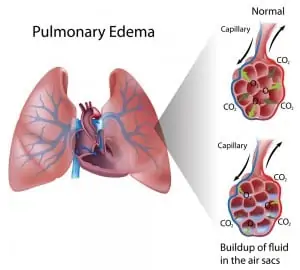 High altitude pulmonary edema (HAPE) is an advanced form of altitude sickness caused by fluid build up in the lungs. This is caused when some blood vessels in the lungs become constricted due to altitude, and the blood pressure in the vessels results in a high-pressure leak of fluid into the lungs. Pulmonary edema is characterized by crackling noises from the chest and the coughing up of pink sputum.
High altitude cerebral edema (HACE) is an advanced form of altitude sickness caused by fluid leakage from the brain. The cause is possibly due to an increase in cerebral blood flow due to increased permeability of cerebral endothelium at high altitude. Cerebral edema is recognized by severe headaches combined with a severe loss of balance, dizziness, and confusion.
Incidences of altitude sickness can be minimized or avoided altogether be taking the proper steps in while planning your climb and while on the mountain.
First, we encourage our clients to select Kilimanjaro routes that are lengthy and have favorable acclimatization profiles. Due to the time on the trail and the nature of these routes, occurrences of serious altitude sickness for our clients is very low. Furthermore, we have established four primary steps to help our clients achieve successful acclimatization on the mountain.
- Drink lots of water – we recommend fluid intake of 4-5 liters daily. Fluid intake improves circulation and most other bodily functions. Fluid intake does not add to fluid leakage from the body. Our menu contains lots of soup, hot drinks, and fresh fruit. And you need to drink 3 liters of water per day too! If your urine is clear and copious, you are drinking enough. Avoid consuming alcohol on the mountain.
- Walk slowly – it is vital to place as little strain as possible on the body while it is trying to adapt to a reducing oxygen supply. Unless there is a very steep uphill section, your breathing rate while walking should be as if you are walking down the street at home.
- Climb high sleep low – this means climbing to a higher altitude during the day and the sleeping at a lower altitude at night. This is done through well-planned itineraries that include afternoon acclimatization hikes to a higher level (climbing high) before descending to camp (sleeping low). All our itineraries have this feature, although due to time and distance to be covered the longer 8 and 9-day climbs have more acclimatization walks.
- Use Diamox – Diamox is an FDA approved prescription medication that prevents and treats altitude sickness. It is recommended that you use Diamox to assist with acclimatization. Diamox may not be available in Tanzania, so bring it from your home country. Note that our guides do not carry Diamox and will not be able to provide it for you on the mountain.
Successful altitude acclimatization is key to climbing Kilimanjaro safely.
Frequency of Symptoms of Altitude Sickness
Mild Altitude Sickness symptoms may include:
- headache
- sleep disturbance
- fatigue
- shortness of breath with physical exertion
- dizziness
- loss of appetite
- nausea and vomiting
- irritability
- muscle aches
- swelling of the hands, feet, and face
- rapid heartbeat
Severe altitude sickness symptoms may include:
- wet coughing
- chest congestion
- extreme fatigue
- fast, shallow breathing
- gurgling breaths
- blue or gray lips or fingernails
- pale complexion and skin discoloration
- inability to walk or lack of balance (ataxia)
- confusion
- social withdrawal
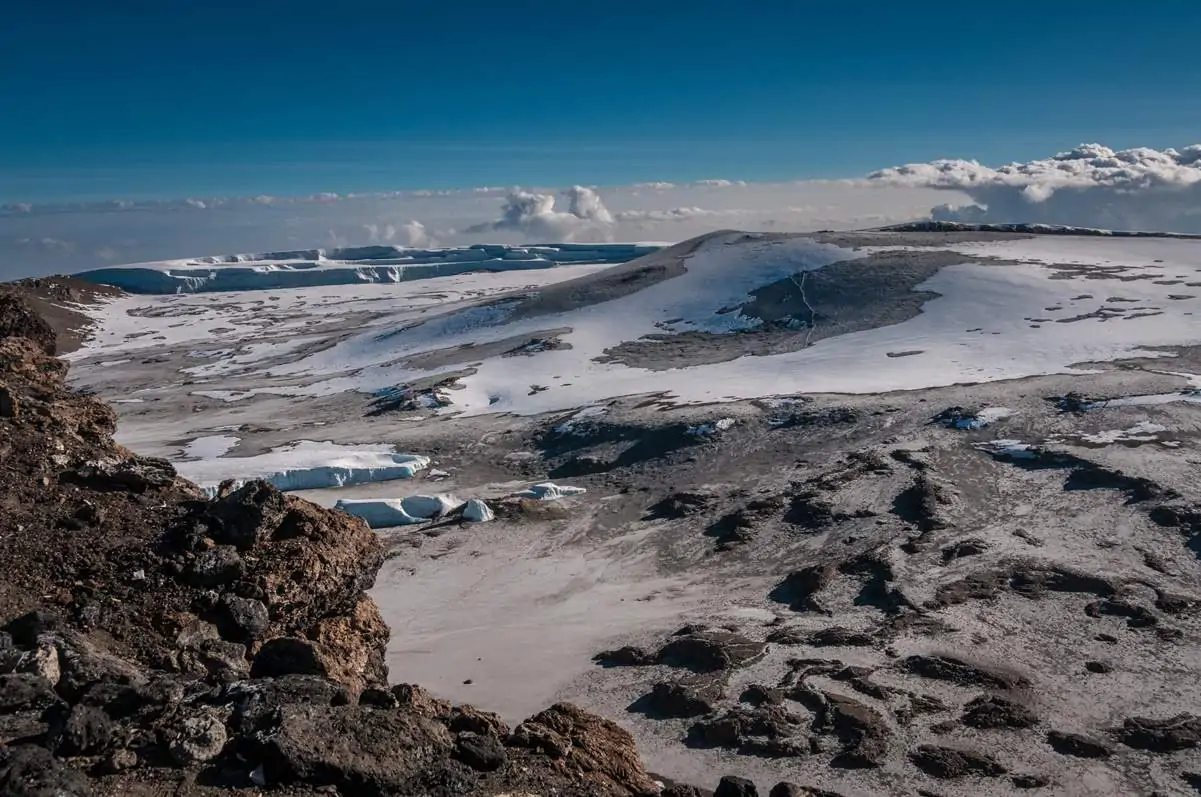
Our guides are certified Wilderness First Responders
Our guides have extensive experience in the field. They climb Kilimanjaro around 20 times per year and have been leading climbs for many years. Therefore they have literally handled thousands of clients and are experts in altitude-related illnesses.
Peak Planet guides are skilled at preventing, detecting and treating altitude sickness. Every single guide is certified as a Wilderness First Responder – the Western industry standard for professional guides. Wilderness First Responders take comprehensive and practical coursework in medical training, leadership, and critical thinking. For that reason, our guides have knowledge of the essential principles and the required skills to assess and manage medical problems in isolated and extreme environments.
During the low season, extensive multi-day training courses are held off-site to reevaluate and refresh their knowledge of first aid and rescue. These courses reassure that our guides are well prepared for any situation they encounter.
We conduct daily checks to monitor climbers’ health
For your safety, our guides will use a pulse oximeter to regularly check clients’ oxygen saturation levels during the climb. Oxygen saturation is a measure of how much oxygen is in your blood. A person’s oxygen saturation at sea level is usually around 94-98%. At altitude, oxygen saturation is lower. However, it is an indication of how well a person is acclimatizing.
Monitoring one’s pulse and oxygen saturation twice per day gives our guides additional insight into a client’s health. We start by giving a health check at the trip briefing. This gives us a baseline to work with. We log these results and compare them each day at our health checks.
We also take regular temperature and blood pressure readings, and we listen to your heart and lungs with a stethoscope.
We carry emergency oxygen on all climbs
It is quite common for climbers to have a mild form of altitude sickness. However, our guides can recognize the symptoms of more serious altitude sickness and know how and when to treat a climber. If necessary, our guides will organize an immediate descent, which is by far the quickest and best treatment. Most often an ill climber will recover very well just by descending a few thousand feet, with no further treatment needed. We will use a portable stretcher in cases where the climber is unable to walk on their own.
We carry emergency oxygen and medical kits on all climbs. Administering oxygen in small doses is an effective way to increase energy levels and to make the summit experience more enjoyable. Peak Planet is one of only a few Kilimanjaro operators that offer ALTOX Personal Oxygen Systems. ALTOX is designed to aid climbers on their ascent of Mount Kilimanjaro. While it is not designed to treat altitude sickness, the additional energy it gives a climber can greatly improving your chances of a successful summit and making it a far more pleasurable experience.
Our medical training is based on western practices
We are partnered with IFREMMONT, a European-based High Altitude Medical Training Organization.
IFREMMONT is a highly respected organization that has been training guides in the Alps since 2005. They are the most qualified high-altitude medical doctors in the world. As a result, our medical training and safety protocols are based on IFREMMONT’s established guidelines for first aid and mountain medicine. Our guides learn how to treat specific illnesses that can come from high-altitude conditions. Most noteworthy, they know how to handle all types of emergencies on the mountain, including rescue and evacuation.
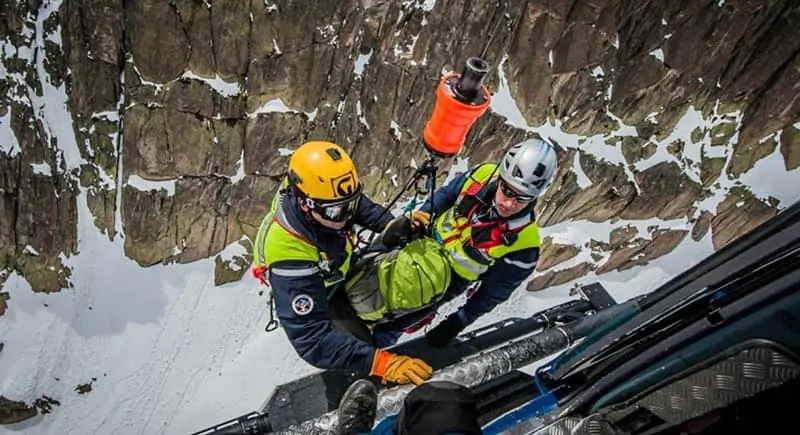
All clients are covered by emergency helicopter rescue
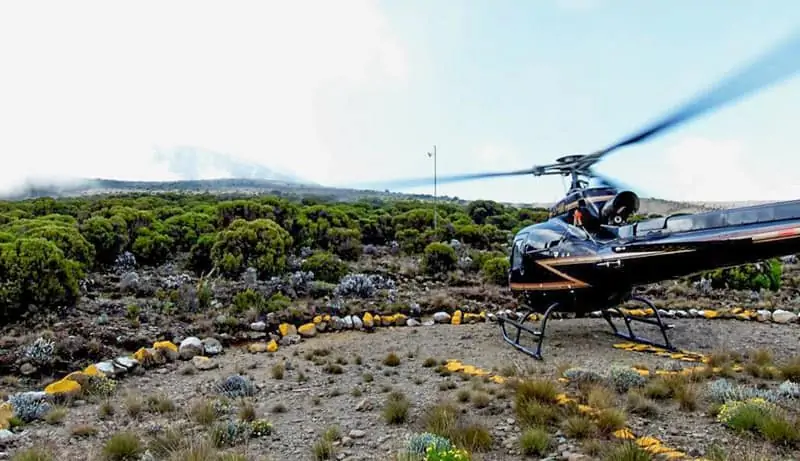
Climbing Kilimanjaro can be dangerous. For that reason, we enroll all of our clients with AMREF Flying Doctors. AMREF Flying Doctors operates helicopter rescues off Mount Kilimanjaro.
Closely monitoring our clients health situation throughout the trek helps allows us to take care of situations before they become and emergency. In rare situations where evacuation on foot or stretcher is insufficient, our staff will dispatch a medical helicopter to transport the stricken climber to a hospital. AMREF Flying Doctors rescue team is on standby and can be airborne within minutes of receiving a distress call.
We communicate with our guides using satellite GPS
Garmin’s inReach Explorer is a handheld communication device. Using this device, we can locate our trekking parties and communicate with our guides in real time using a satellite network. One device is carried by a guide for every group we have on the mountain and are enabled with live tracking so we know exactly where our clients are at all times. This is practical information that we obtain for day to day reporting, but the real value comes if we need to coordinate rescue and evacuation with other staff, the park service or Kilimanjaro Search & Rescue (helicopter service).
The Garmin inReach Explorer is durable and reliable. It can be used to initiate a rescue by signaling for help on all parts of the mountain. We believe that being equipped with satellite communication devices adds preparedness and peace of mind for us, our clients, and their families. We are one of the few operators who have this capability.
We have established protocol for handling emergencies
Peak Planet is well prepared to manage crises on Kilimanjaro. We have established protocols for every type of situation and for every location on the mountain. If an emergency were to happen, our teams know exactly what to do, step by step. Other operators, unfortunately, do not have firm plans and as a result are not prepared. Our guides quite often assist other companies when things go awry with their clients.
In cases where emergency evacuation is required, an affected person is escorted on foot or carried upon a stretcher. The descent is made to the highest access point that the national park rescue vehicle or helicopter can reach – either Shira Plateau, below Mandara Hut or Rongai Gate. The rescue vehicle or helicopter will transport the sick or injured client off the mountain to either another rescue vehicle or directly to a hospital via helicopter. This depends on the extent of the injury or sickness. During the rescue, the client is accompanied by one of the guides and looked after carefully.
Depending on where the client went, the morning after the rescue, the guide will meet the client again. Consequently, our head office will communicate with our ground team and guide, and consult with the IFREMMONT medical team to make sure that the correct medical care is being offered and that the client’s wishes are being taken care of. This guide is then available to help the client in any way, whether they need to go to the doctor or do a short walk around town.
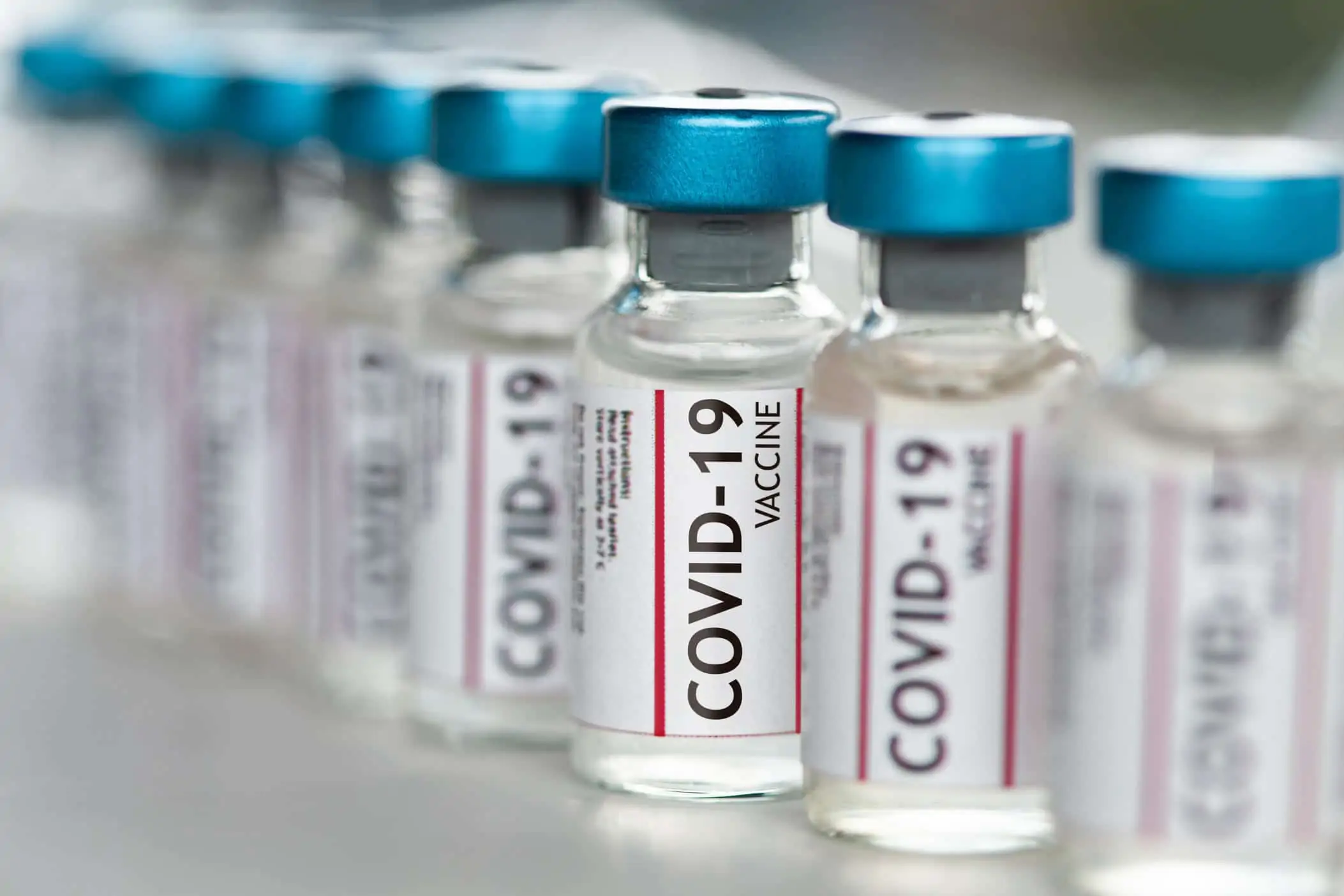
We follow procedures to protect against COVID-19
The Tanzanian government published detailed standard operating procedures for the tourism industry in response to COVID-19. These procedures outline common sense directives designed to reduce the risk of infection. These include the regular sanitizing of surfaces, washing hands, wearing PPE, and maintaining social distance. Please read the standard operating procedures to learn about the safeguards that are in place to reduce the risk of COVID-19 transmission while in country.
Many operators, including Peak Planet, were involved in the creation of the approved standard operating procedures. We believe in the new measures and comply with them. Our mountain staff has been trained on COVID procedures based on World Health Organization (WHO) guidance and the Standard Operating Procedures (SOP) put forth by the Tanzanian government. Below is a brief outline of the procedures.
1. Upon arrival at Kilimanjaro International Airport (JRO), Kilimanjaro National Park, and lodging, clients will be given a temperature check. Individuals showing signs or symptoms of COVID-19 will be directed to a medical team for further consultation.
2. Our mountain crew will wear masks when they are in vehicles, at the park gate, and while they are at camp. Hotel staff will wear masks when interacting with clients.
3. Our mountain crew and hotel staff will maintain a distance of at least three feet (one meter) from clients. However, in dealing with a medical emergency, it may be necessary to be in closer proximity.
4. It is mandatory for all clients to wear a mask when traveling in vehicles and when in public places. Clients are required to supply their own masks. Medical masks (KN95, N95, surgical masks) and non-medical face coverings (cloth mask, neck gaiter, Buff) are both sufficient.
5. Clients are required to supply their own hand sanitizer. They should carry hand sanitizer on their person at all times and use it often, especially after any contact with another person, before eating, and after using the toilet.
6. Participation in a trip is completely voluntary. Clients acknowledge that they may be exposed to COVID-19 during the course of the trip and that there is a risk of infection.
All equipment will be disinfected prior to use. Our staff will wear PPE when in close proximity to our clients. The number of crew members who interact with a client and handle a client’s belongings will be limited. In addition, we have additional opportunities to maintain social distance on the mountain by offering single tents and rooms for single travelers, and serving meals in separate tents if desired.
Although there are no travel restrictions for visitors coming to Tanzania, please be aware of possible restrictions imposed by your home country and countries you will visit during your trip, including flight connections. Some countries may require negative COVID-19 test results to enter. We cannot be responsible for missed trips due to failure to comply with travel restrictions.
Read more here.